


Published On 20 Apr, 2026

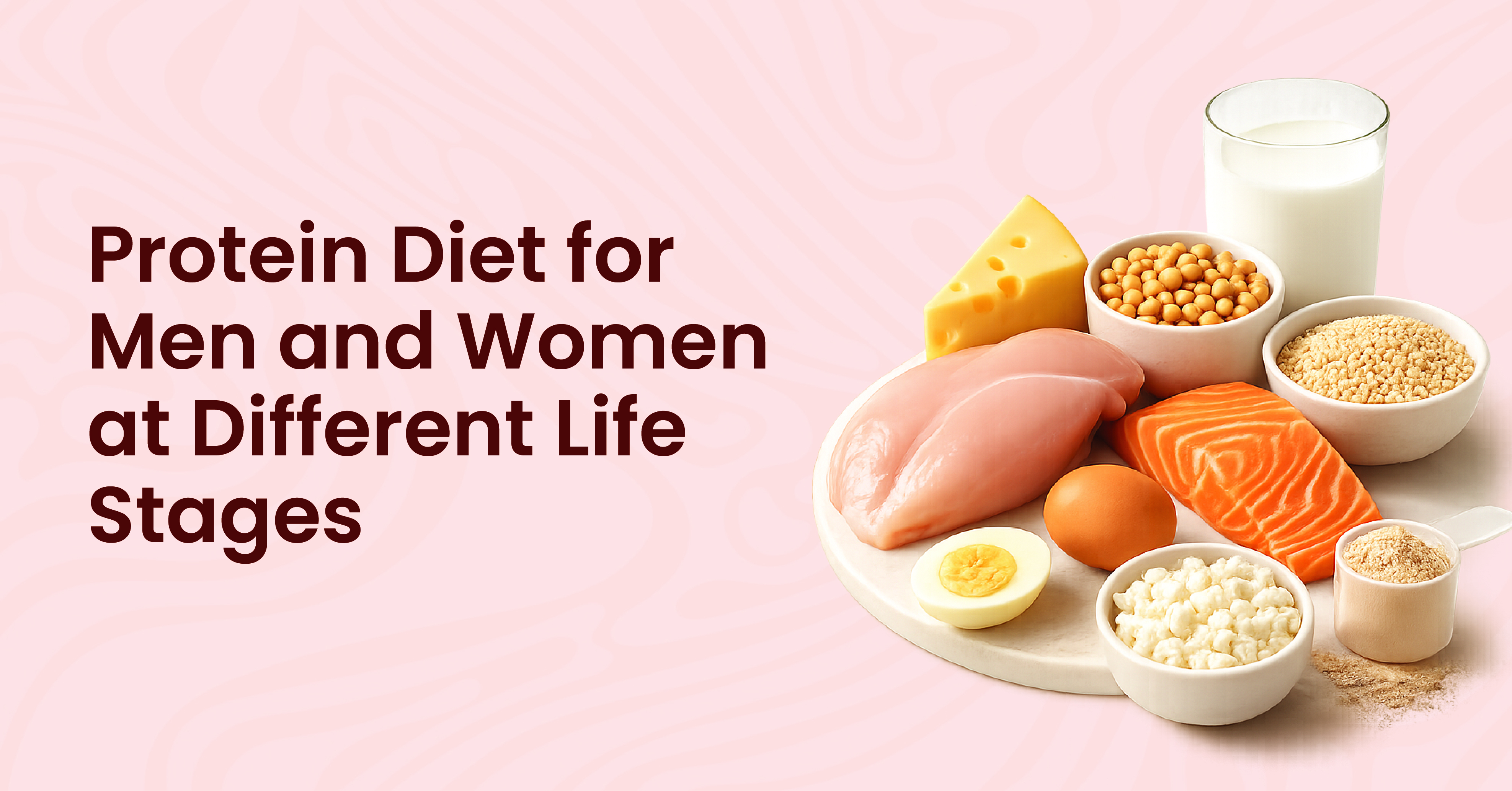
It is possible to increase protein intake without significantly increasing calories by choosing lean protein sources, high-protein low-calorie foods, and balanced meal planning. Replacing refined carbohydrates or high-fat foods with protein-rich alternatives can support muscle health, improve satiety, and help with weight management.
Protein plays a crucial role in maintaining muscle mass, metabolic health, and overall body function. It is essential for tissue repair, enzyme production, and hormone regulation.
In addition, protein is highly beneficial for weight management because it:
Increasing protein intake while maintaining a balanced calorie intake can therefore support fat loss while preserving muscle mass.
Many people assume that eating more protein automatically means consuming more calories. However, by making strategic food choices, it is possible to boost protein intake while keeping calories stable.
Instead of adding extra food, replace certain refined carbohydrate sources with protein-rich alternatives.
Examples include:
These substitutions can improve nutritional quality without increasing overall calorie intake.
Lean protein foods provide a high amount of protein with relatively fewer calories.
Common lean protein sources include:
Including these foods in meals helps increase protein while controlling calorie intake.
Certain foods naturally provide high levels of protein without excessive calories.
Examples include:
These foods provide protein along with fibre and micronutrients that support overall health.
Selecting nutrient-dense foods is one of the most effective ways to increase protein intake without overeating.
Animal-based options
These foods contain complete proteins that provide all essential amino acids required for muscle maintenance.
Plant-based protein options
Plant-based protein sources can also contribute significantly to daily protein intake.
Examples include:
Plant proteins also contain fibre, which helps support digestion and promotes satiety.
Balanced meals can help maximise protein intake while maintaining moderate calorie levels.
Breakfast ideas
Lunch options
Dinner options
Healthy snacks can also help increase protein intake without excessive calories.
Examples include
Choosing nutrient-dense snacks prevents overeating and helps maintain energy levels throughout the day.
When the goal is fat loss, choosing lean protein sources becomes particularly important.
Lean protein helps maintain muscle mass while the body burns stored fat for energy.
Examples of lean protein sources include:
Combining lean proteins with vegetables, whole grains, and healthy fats creates balanced meals that support both nutrition and weight management.
Beyond choosing specific foods, certain dietary habits can help increase protein intake efficiently.
Spread protein across meals
Consuming protein throughout the day supports consistent muscle protein synthesis and better satiety.
Prioritise protein in each meal
Including a protein source in every meal helps ensure adequate daily intake.
Stay hydrated
Proper hydration supports digestion and nutrient absorption, including protein metabolism.
Combine protein with physical activity
Strength training and regular exercise increase the body’s demand for protein and help maintain muscle mass.
You can increase protein by choosing lean protein foods, replacing refined carbohydrates with protein sources, and selecting high-protein low-calorie snacks.
Foods such as egg whites, Greek yoghurt, chicken breast, fish, lentils, and tofu are excellent high-protein low-calorie options.
Yes. High-protein diets may help control appetite, maintain muscle mass, and support metabolic health during weight loss.
Yes. Plant-based proteins such as lentils, beans, tofu, and soy products provide essential nutrients that support muscle health.
Protein needs vary depending on age, activity level, and health goals. Balanced meals containing protein throughout the day help maintain adequate intake.
Increasing protein intake does not necessarily require consuming more calories. By choosing lean protein sources, replacing refined carbohydrates with nutrient-dense foods, and planning balanced meals, individuals can improve protein intake while maintaining healthy calorie levels.
In addition to whole foods, specialised nutritional support may help individuals meet their daily protein needs. ProNocte is a plant-based protein supplement designed to support muscle health and nutritional balance. By providing high-quality protein along with essential nutrients, it helps individuals maintain adequate protein intake while supporting muscle preservation and overall metabolic wellbeing.


 Disclaimer
ProNocte is a health supplement and is not intended to diagnose, treat, cure, or prevent any disease.

Call Us
1800 103 4696Email Us
sales@heterohealthcare.comAddress
Sy No. 83/1, Plot No.16/A/1 & 16/A/2, 19th & 20th Floor Hetero Tower, Commerzone, Silpa Gram Craft Village, Madhapur, Hyderabad, Shaikpet, Telangana, India, 500081.Copyright © All Rights Reserved by Hetero Healthcare Limited