


Published On 18 Mar, 2026
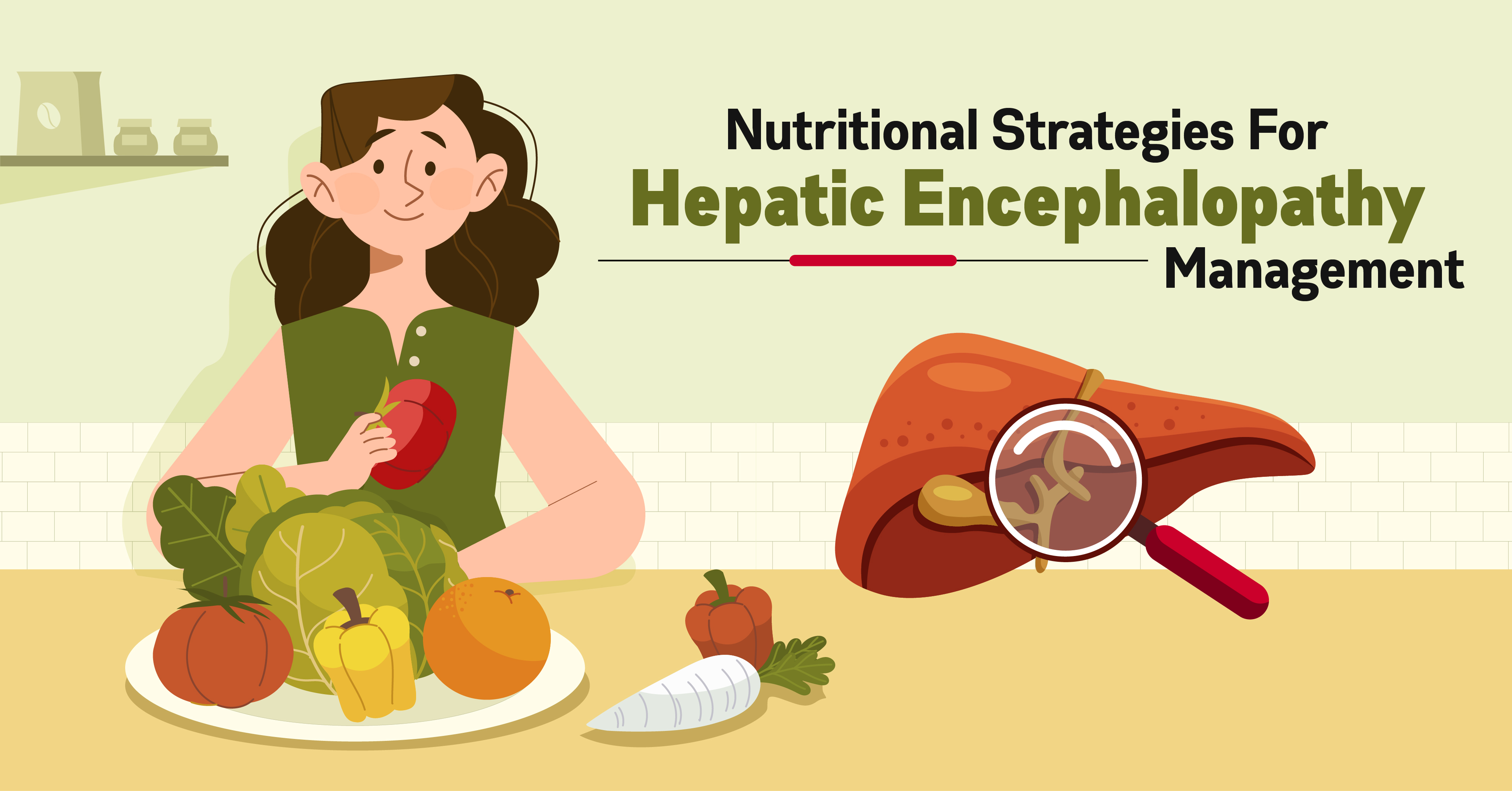
Nutrition plays a fundamental role in managing hepatic encephalopathy (HE). A carefully planned diet can help reduce toxin accumulation, support liver function, and alleviate neurological symptoms. Evidence-based dietary strategies focus on appropriate protein intake, gut-friendly foods, and a balanced meal structure to promote metabolic stability and symptom control.
Hepatic encephalopathy is a neurological complication of liver dysfunction characterised by confusion, behavioural changes, sleep disturbances, and reduced coordination. While pharmacological treatment is central to care, dietary management is an essential supportive strategy.
Although older approaches once recommended restricting protein, modern evidence supports adequate and appropriate protein intake along with lifestyle and nutritional optimisation. This article provides practical guidance on diet for hepatic encephalopathy, including foods to include, foods to avoid, and how nutrition can help manage symptoms.
Hepatic encephalopathy arises when the liver cannot efficiently clear toxins — such as ammonia — from the bloodstream. These toxins can affect the brain and nervous system, leading to symptoms such as:
HE often occurs in the setting of cirrhosis or significant liver impairment and requires both medical and nutritional management.
Diet influences several aspects of hepatic encephalopathy:
Malnutrition is common in liver disease and can worsen HE outcomes. Optimising nutrition supports muscle mass, reduces toxin generation, and complements medical therapy.
Contrary to outdated practice, routine protein restriction is no longer recommended for hepatic encephalopathy. Instead, the focus is on:
Protein is critical for maintaining muscle mass, which plays a significant role in ammonia metabolism. Restricting protein can increase muscle breakdown, reducing the body’s capacity to clear toxins.
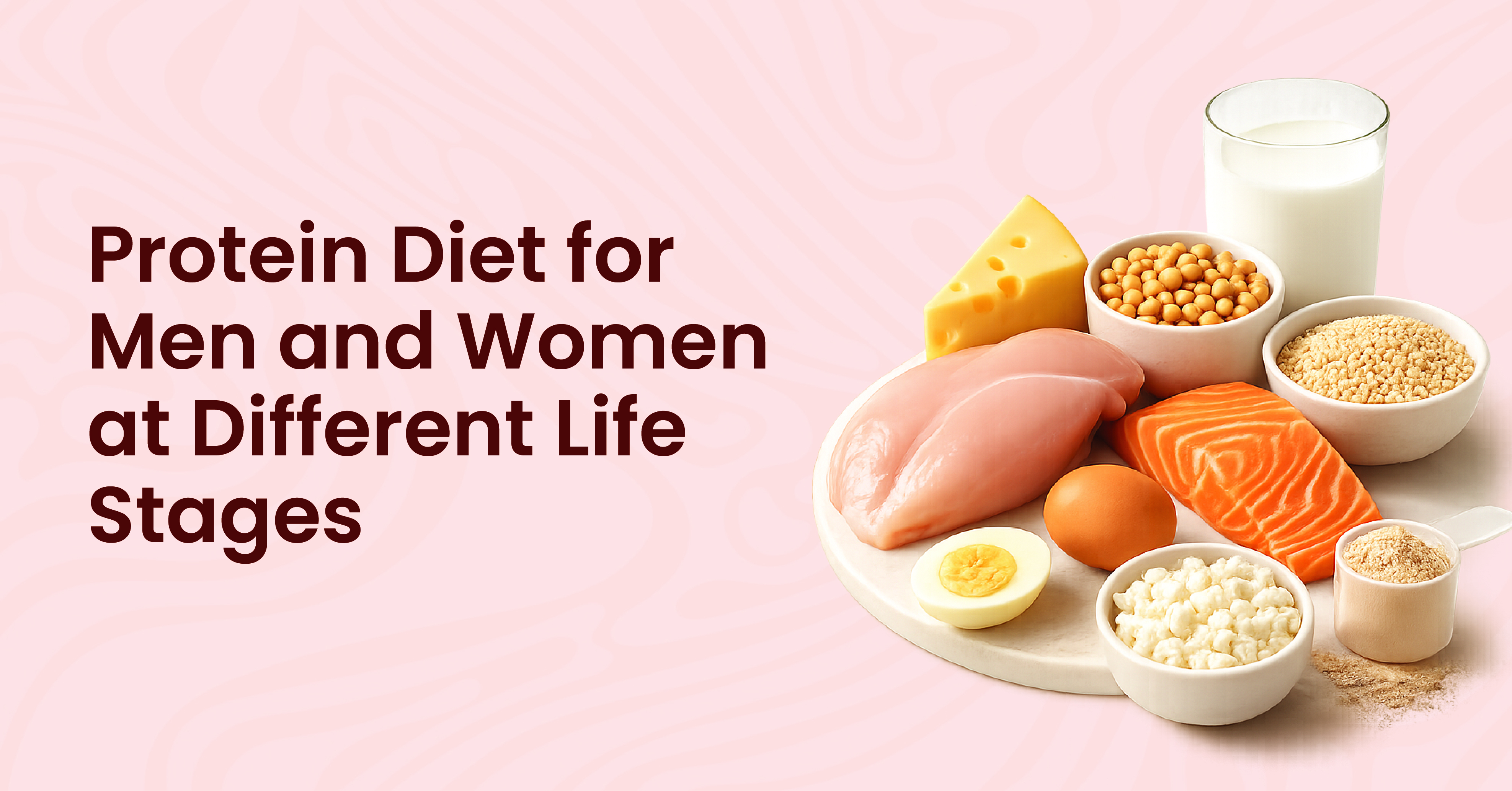
Preferred protein options include:
Plant proteins appear especially beneficial due to lower ammonia production during digestion and support for gut health.
Some foods may worsen symptoms by increasing metabolic stress or ammonia production:
Avoiding these foods helps improve metabolic balance and reduces the liver’s workload.
A thoughtful food plan emphasises:
Balanced Carbohydrates and Energy Intake
Carbohydrates are essential for energy and preventing muscle breakdown. Recommended sources include:
Fibre and Gut Health
Dietary fibre helps promote:
Rich fibre sources include leafy vegetables, legumes, and whole fruits.
Healthy Fats and Micronutrients
Healthy fats provide energy without exacerbating toxin accumulation:
Micronutrients such as zinc, B-complex vitamins, and vitamin D may be depleted in liver illness and are important for overall metabolism.
In hepatic encephalopathy, toxins like ammonia accumulate because the liver cannot effectively detoxify them. Nutritional management helps by:
This approach complements — but does not replace — prescribed medical therapy.
Can diet treat hepatic encephalopathy by itself?
Nutrition cannot treat HE on its own but plays a significant supportive role alongside medical treatment.
Is a vegetarian diet beneficial?
Plant-based diets often help because they typically yield less ammonia and contain higher fibre.
How often should meals be eaten?
Small, frequent meals help maintain stable energy and prevent muscle breakdown.
1. What foods are best for hepatic encephalopathy?
A: Lean proteins, plant proteins, whole grains, fruits, vegetables, and high-fibre foods are beneficial.
2. Should protein be avoided?
A: No. Adequate protein intake is vital; focus on quality rather than restriction.
3. Are there foods that worsen symptoms?
A: Yes — alcohol, processed foods, high salt, and refined sugars can aggravate symptoms.
4. Is a diet chart helpful?
A: A structured diet plan helps ensure nutrient adequacy and consistent eating patterns.
5. Can nutrition reduce ammonia levels?
A: Good nutrition supports muscle and gut function, which in turn helps reduce ammonia accumulation.
Nutrition is a cornerstone of hepatic encephalopathy management alongside medical care. Modern dietary strategies prioritise adequate energy and protein intake, gut-friendly foods, and avoidance of dietary triggers that increase metabolic stress. A balanced diet with sufficient protein, complex carbohydrates, healthy fats, and fibre supports metabolic balance, liver function, and neurological stability.
ProNocte is a scientifically formulated plant-based protein supplement designed to support muscle health and nutritional adequacy in individuals experiencing muscle loss due to ageing, reduced strength, or chronic conditions such as liver cirrhosis. Plant-based protein sources, like those used in ProNocte, align with current nutritional approaches that help preserve muscle mass while minimising metabolic burden in hepatic encephalopathy management.
This blog is for educational purposes only and does not replace professional medical advice. Dietary changes should be discussed with a qualified healthcare provider.



 Disclaimer
ProNocte is a health supplement and is not intended to diagnose, treat, cure, or prevent any disease.

Call Us
1800 103 4696Email Us
sales@heterohealthcare.comAddress
Sy No. 83/1, Plot No.16/A/1 & 16/A/2, 19th & 20th Floor Hetero Tower, Commerzone, Silpa Gram Craft Village, Madhapur, Hyderabad, Shaikpet, Telangana, India, 500081.Copyright © All Rights Reserved by Hetero Healthcare Limited