

Published On 28 Jan, 2026
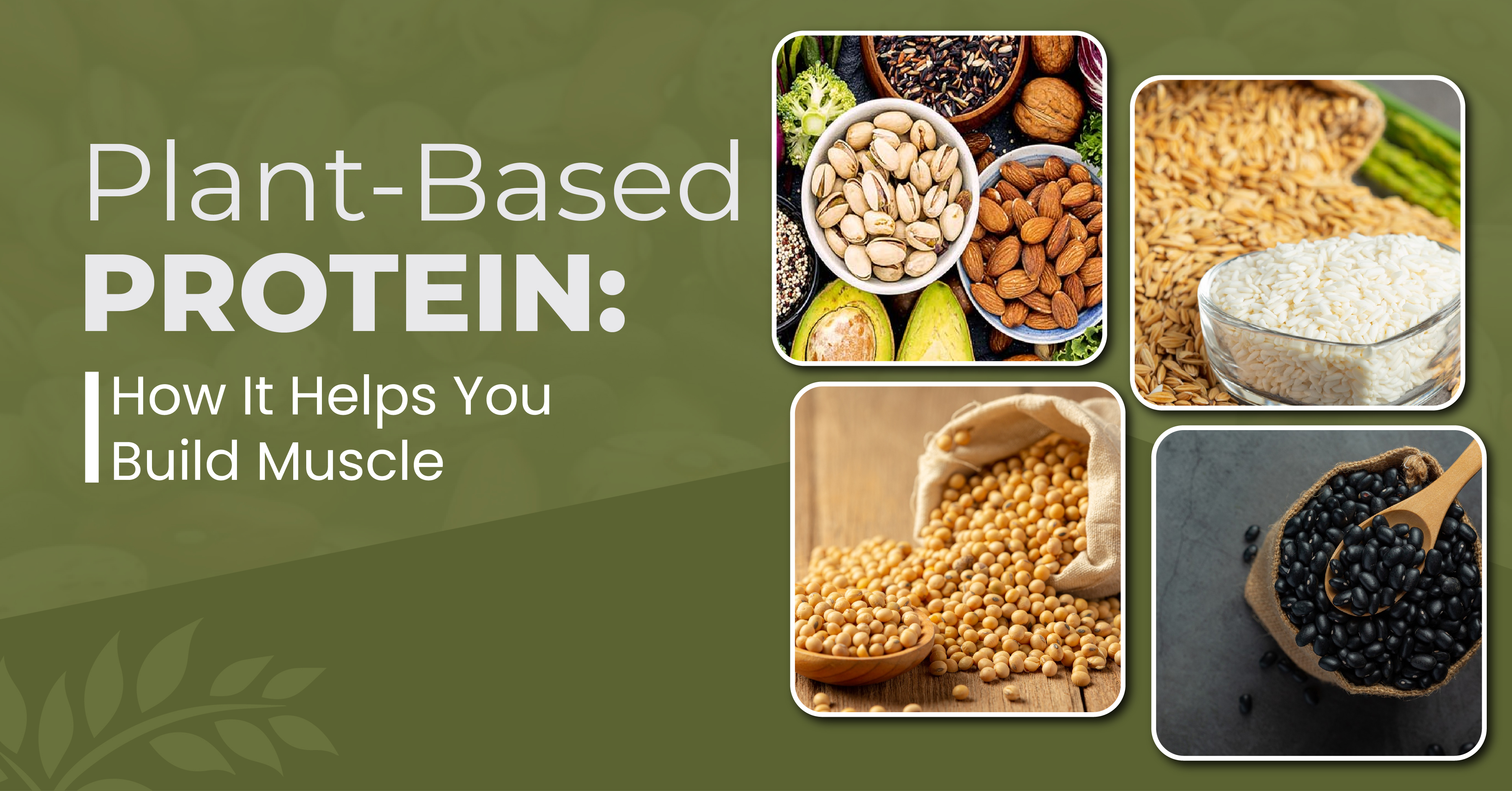
Plant-based protein has become a popular choice for individuals seeking muscle growth, improved recovery, and overall wellness. Unlike animal proteins, plant proteins provide essential amino acids, fibre, and antioxidants, supporting muscle development and metabolic health simultaneously.
This article explores plant protein benefits, how it aids muscle growth, and practical ways to include it in your diet for optimal results.
Muscle growth, or hypertrophy, occurs when the body repairs and builds muscle fibres after exercise. Protein is a vital nutrient in this process, supplying amino acids that act as building blocks for muscles. Without sufficient protein, recovery slows and muscle gain is limited.
Plant-based protein can meet these needs effectively when consumed in adequate amounts and combined with resistance training.
Plant protein comes from legumes, grains, nuts, seeds, and soy products. It is typically lower in saturated fats and higher in fibre than animal protein, providing additional health benefits like heart health support and better digestion.
Combining different sources ensures a complete amino acid profile, supporting effective muscle building.
Plant protein provides essential amino acids necessary for muscle repair and growth. While some plant proteins may be lower in specific amino acids like leucine, mixing protein sources can create a balanced profile similar to animal protein.
This mechanism allows plant protein to be effective for both beginners and advanced athletes, ensuring optimal muscle repair and growth.
Consistency and timing of protein intake are critical for building muscle. Incorporating plant protein strategically can enhance training results.
Yes. By consuming a variety of plant proteins in sufficient amounts, you can meet your protein needs and achieve muscle growth comparable to those using animal proteins.
Aim for 1.2–2.0 grams of protein per kilogram of body weight daily. Spread intake across meals and snacks for better absorption and utilisation.
Plant protein powders, such as pea, rice, or hemp protein, provide convenient, high-quality protein and are particularly useful post-workout to support recovery and muscle synthesis.
Plant protein is rich in fibre, antioxidants, and micronutrients, promoting heart health, digestion, and long-term wellness alongside muscle development.
Yes. Many athletes successfully meet their protein requirements entirely through plant sources, especially when protein variety and timing are optimised.
Including these in your diet ensures adequate protein intake and supports efficient muscle growth and recovery.
Building muscle with plant-based protein is practical, effective, and beneficial for long-term health. By consuming a variety of whole food sources along with high-quality protein supplements, individuals can support muscle maintenance, faster recovery, and overall wellness—especially in conditions such as liver cirrhosis and sarcopenia.
To support consistency and daily adherence, ProNocte can be considered a reliable option for daily protein intake. As part of this offering, we provide two mugs and a habit tracker free of cost, making it easier to prepare and track regular protein consumption. These simple additions encourage routine building and help users stay committed to their nutritional goals.
Adopting a plant protein–focused approach along with practical habit-support tools promotes long-term muscle health, improved recovery, and better quality of life, especially for individuals who require sustained nutritional support.


 Disclaimer
ProNocte is a health supplement and is not intended to diagnose, treat, cure, or prevent any disease.

Call Us
1800 103 4696Email Us
sales@heterohealthcare.comAddress
Sy No. 83/1, Plot No.16/A/1 & 16/A/2, 19th & 20th Floor Hetero Tower, Commerzone, Silpa Gram Craft Village, Madhapur, Hyderabad, Shaikpet, Telangana, India, 500081.Copyright © All Rights Reserved by Hetero Healthcare Limited