


Published On 20 Jan, 2026
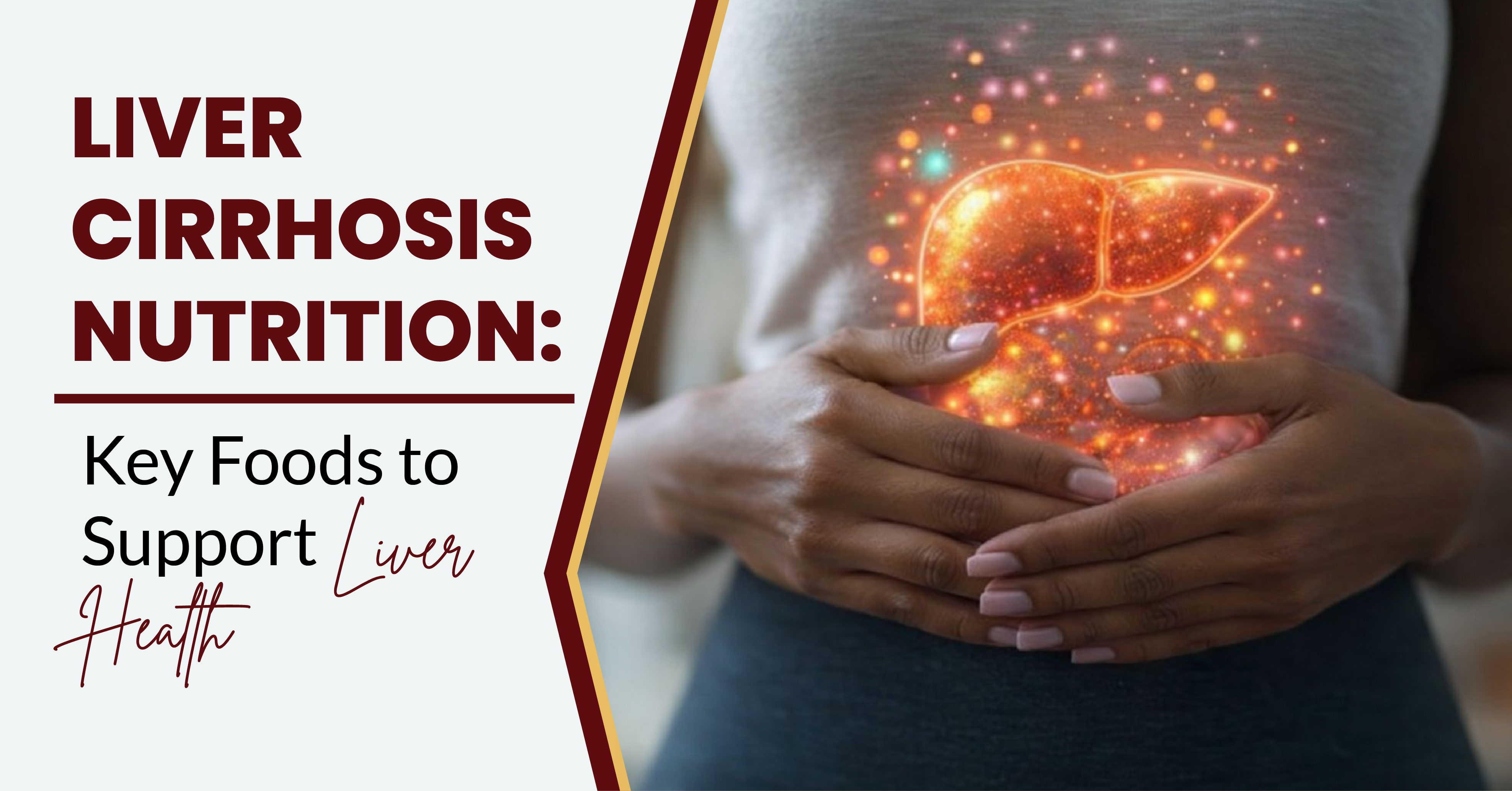
Proper nutrition plays a crucial role in supporting liver function, especially for individuals living with liver cirrhosis. Liver cirrhosis nutrition focuses on including nutrient-dense, liver-friendly foods that help maintain energy, reduce complications, and support overall wellbeing. This guide highlights foods for liver cirrhosis, dietary strategies, and practical tips for a liver health diet.
Liver cirrhosis is a chronic condition where healthy liver tissue is gradually replaced by scar tissue, impairing liver function. The liver is vital for detoxification, metabolism, protein synthesis, and nutrient storage, making nutrition an essential part of management.
Causes and Risk FactorsNutrition becomes critical to prevent malnutrition, maintain strength, and manage symptoms effectively.
While medical therapies address the underlying cause of liver cirrhosis, nutrition is a cornerstone of supportive care. A liver-friendly diet can:
Choosing the right foods is vital for individuals managing liver cirrhosis. Here are the best foods for liver health:
Lean ProteinsNutrition for liver disease is not just about avoiding harmful foods—it actively supports liver function:
Nutrition cannot reverse established cirrhosis, but a liver-friendly diet helps slow disease progression, manage symptoms, and improve quality of life.
2. How much protein should I consume?Adequate protein is essential for liver repair. Include moderate portions from lean meats, fish, eggs, or legumes, adjusting based on your healthcare provider’s guidance.
3. Are supplements necessary?Supplements may be recommended for deficiencies in vitamins or minerals. Always consult a healthcare professional before starting supplements.
4. Is hydration important?Yes. Proper hydration supports detoxification, digestion, and metabolic processes. Avoid alcohol and sugary drinks.
5. Can small frequent meals help?Yes. Eating 5-6 smaller meals daily can prevent fatigue, improve nutrient absorption, and manage appetite loss.
6. Are liver-friendly snacks beneficial?Yes. Snacks like fruit, nuts, or whole-grain crackers provide energy and nutrients without overloading the liver.
Liver cirrhosis nutrition is crucial for symptom management and liver support
A well-planned liver health diet can significantly impact the management of liver cirrhosis. By focusing on liver-friendly foods, adequate hydration, and balanced nutrition, individuals can support liver function, reduce complications, and enhance quality of life.


 Disclaimer
ProNocte is a health supplement and is not intended to diagnose, treat, cure, or prevent any disease.

Call Us
1800 103 4696Email Us
sales@heterohealthcare.comAddress
Sy No. 83/1, Plot No.16/A/1 & 16/A/2, 19th & 20th Floor Hetero Tower, Commerzone, Silpa Gram Craft Village, Madhapur, Hyderabad, Shaikpet, Telangana, India, 500081.Copyright © All Rights Reserved by Hetero Healthcare Limited